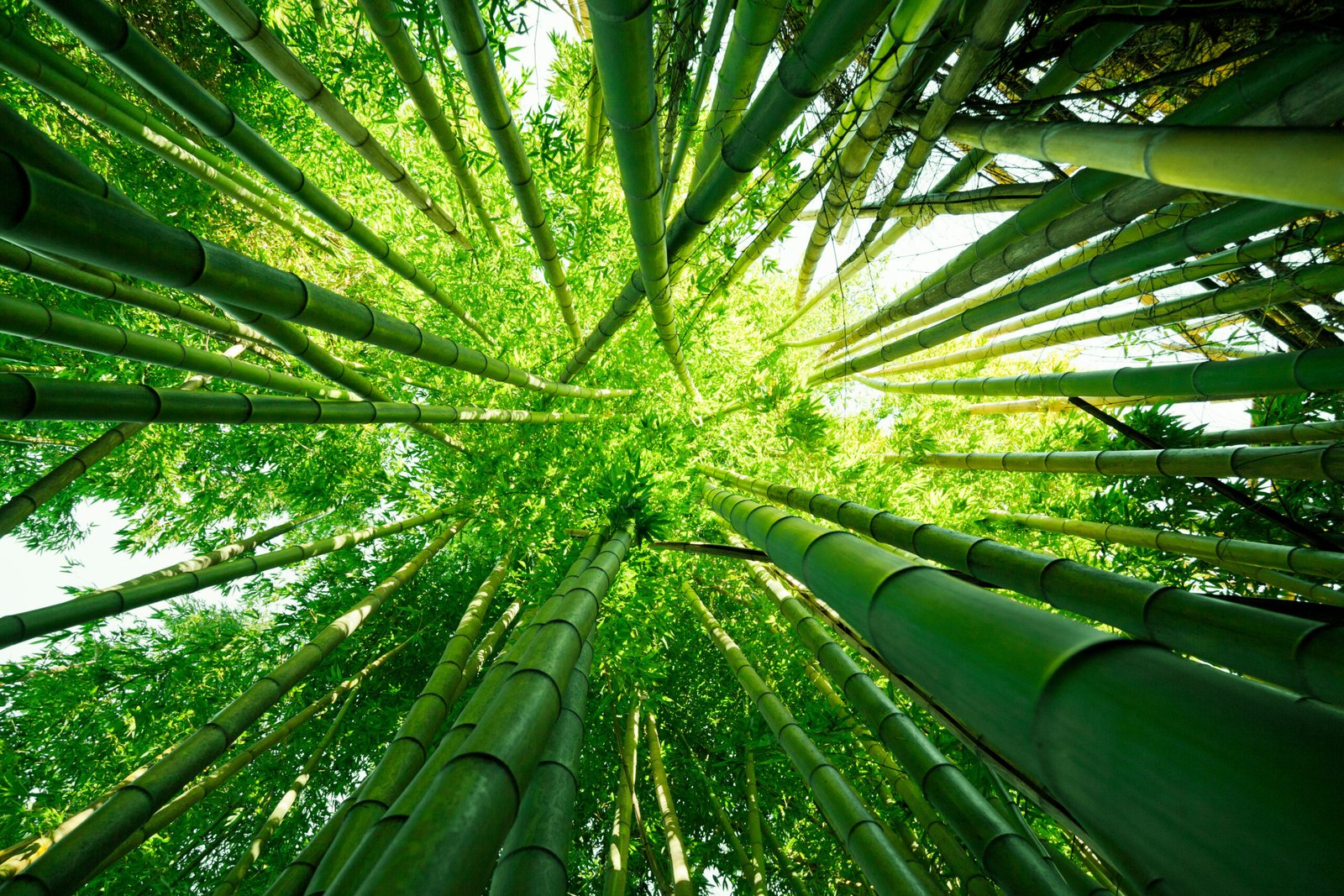
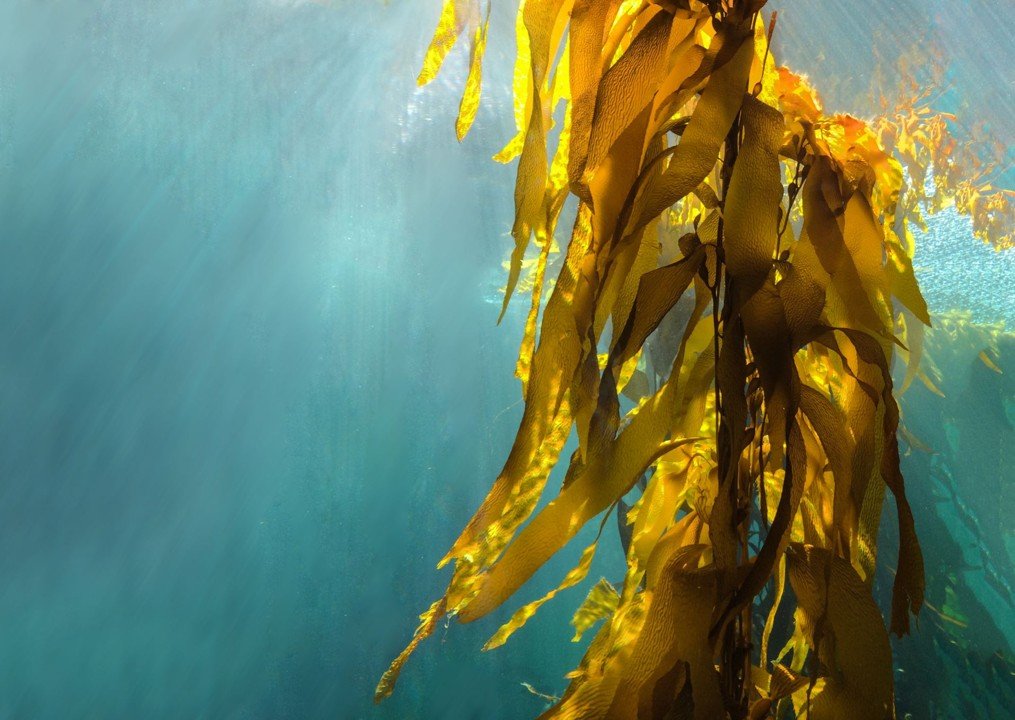
Kelp farming, as the name suggests, is a unique form of agriculture. And here, too, harvests can sometimes be poor. To prevent this, we also plant bamboo forests as a backup. Bamboo is primarily used to produce biochar. For further processing via pyrolysis, we rely on
We will continue to expand this still-new cooperation. Both companies complement each other’s in different areas.
Producing Energy
BST develops, builds, and operates small turn-key facilities that remove large amounts of CO2 from the atmosphere by converting Kelp and bamboo biomass into biochar.
As a byproduct, the process yields an energy-rich gas, used to generate electrical power for nearby communities.
Electricity costs exceed $0.35/kWh in many rural areas of tropical developing nations, if at all available.
Solar and wind power, while renewable, lack sustainability and entail costly storage solutions such as batteries or pumped hydro
Hybrid Decarbonization Power Plants (HDPP)
HDPPs, also developed by BST, offer a small, cost-effective, quick-to-build (4 to 6 months), and easy-to-maintain solution. Each HDPP generates 0.5MW of electricity continuously without requiring energy storage.
Utilizing bamboo as sustainable feedstock, which thrives on non-arable lands such as mountains and infertile soils and is unaffected by droughts or typhoons.
Bamboo cultivation, harvesting, and transportation provide significant rural employment opportunities and foster regional economic development, while improving the lives of rural communities globally.